Indoor air quality is crucial for maintaining a healthy living environment, especially in a humid city like Houston. Poor air quality can lead to mold growth, which poses health risks and structural damage. This article will provide actionable tips on how to improve indoor air quality in Houston, focusing on prevention strategies to keep mold at bay.
Understanding Indoor Air Quality
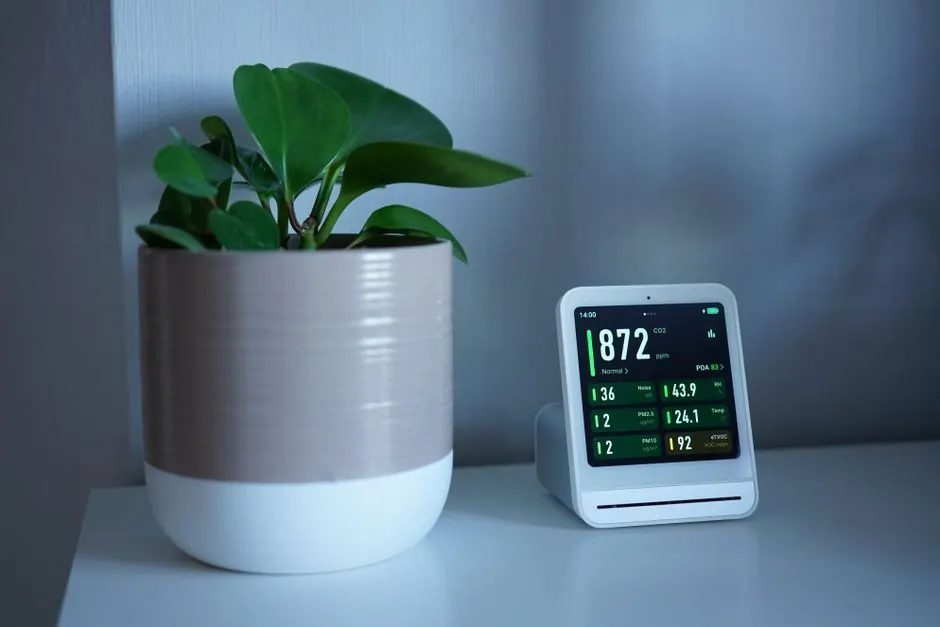
Indoor air quality (IAQ) refers to the condition of the air inside buildings, affecting the health and comfort of occupants. In Houston, where humidity levels can soar, understanding IAQ is essential for mold prevention. The primary factors influencing IAQ include ventilation, humidity, and the presence of pollutants.
Common Sources of Indoor Air Pollution
Identifying sources of indoor air pollution is the first step in improving air quality. Common sources include:
- Cooking fumes and smoke
- Cleaning products and chemicals
- Building materials and furnishings
- Pests and pet dander
- Moisture and humidity
In Houston, humidity is a significant factor that can exacerbate these pollutants. Mold thrives in damp environments, making it vital to control moisture levels in your home.
Effective Strategies to Improve Air Quality
Improving indoor air quality requires a multi-faceted approach. Here are some effective strategies:
- Ventilation: Ensure proper ventilation by opening windows and using exhaust fans, especially in kitchens and bathrooms.
- Humidity Control: Invest in a dehumidifier to maintain indoor humidity levels between 30% and 50%.
- Regular Cleaning: Clean and dust your home regularly to minimize allergens and pollutants.
- Air Purifiers: Use HEPA air purifiers to filter out harmful particles from the air.
- Mold Inspection: Schedule regular Mold Inspection Houston TX to catch potential mold issues early.
Best Practices for Indoor Air Quality in Houston
Given Houston's unique climate, adopting best practices tailored to the region can significantly enhance indoor air quality:
- Seal cracks and openings in your home to prevent moisture intrusion.
- Use mold-resistant materials in areas prone to dampness, such as bathrooms and basements.
- Monitor indoor plants, as some can increase humidity levels. Choose low-maintenance varieties that do not require excessive watering.
- Regularly maintain your HVAC system and consider HVAC System Cleaning Houston TX to ensure efficient airflow.
Common Mistakes to Avoid
Many homeowners inadvertently contribute to poor indoor air quality. Here are common mistakes to watch out for:
- Ignoring leaks or water damage, which can lead to mold growth.
- Overusing scented candles or air fresheners that may release volatile organic compounds (VOCs).
- Neglecting regular maintenance of air filters and ventilation systems.
When to Call a Professional
If you notice persistent mold growth or suspect that indoor air quality issues are affecting your health, it may be time to seek professional help. At Mold Remediation Houston, we specialize in identifying and addressing mold issues effectively. Our team can perform thorough inspections and provide tailored solutions to improve your indoor air quality.
Frequently Asked Questions
How can I improve indoor air quality to prevent mold in Houston?
Improving indoor air quality involves controlling humidity, ensuring proper ventilation, and regularly cleaning your home. Using dehumidifiers and air purifiers can also help.
What are effective strategies for better air quality in Houston?
Effective strategies include maintaining humidity levels, using exhaust fans, and conducting regular mold inspections to catch issues early.
How does air quality relate to mold issues in Houston?
High humidity and poor ventilation create ideal conditions for mold growth. Improving air quality reduces these factors, minimizing mold risk.
What role does ventilation play in indoor air quality?
Proper ventilation helps circulate fresh air, reducing indoor pollutants and humidity levels, which are crucial for preventing mold growth.
Can I handle mold removal myself?
While minor mold issues can be addressed with DIY methods, significant infestations require professional intervention to ensure complete removal and prevent recurrence.